

8 Bakery Packaging Trends for 2027: Clear, Convenient & Customer-Focused Ideas

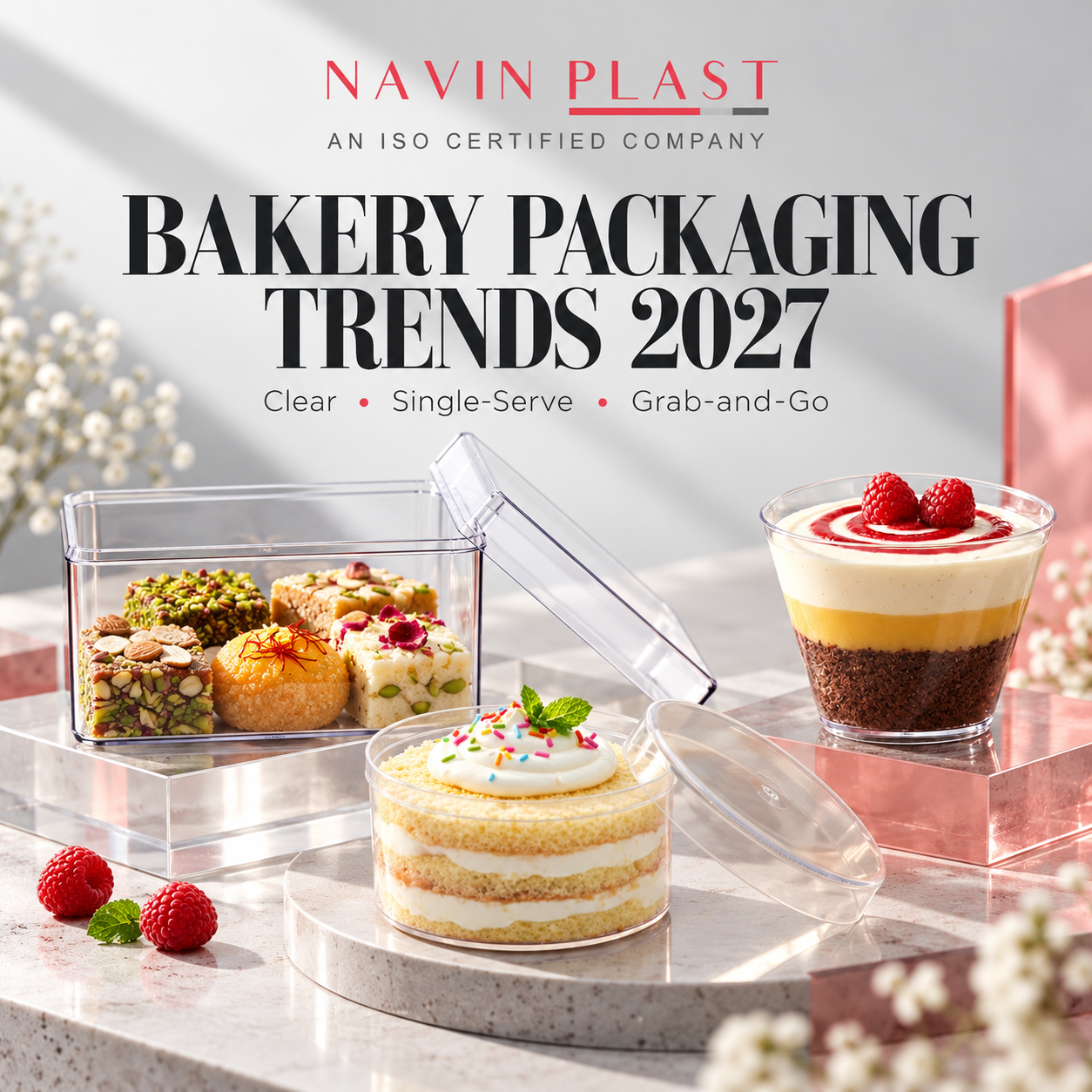
A customer spots a beautifully layered cheesecake at a bakery counter. The dessert looks irresistible, but when they pick it up, the oversized box makes it slide. By the time they reach home, the decoration has shifted.
The problem isn’t the recipe. It’s the packaging.
As we approach 2027, bakery packaging is becoming about much more than appearance. Customers want products they can see, carry and enjoy conveniently. Meanwhile, bakery owners need packaging that protects delicate desserts, supports their brand image and makes daily operations easier.
From transparent cake boxes to single-serve mousse cups, several practical packaging ideas deserve attention.
However, following every trend isn’t necessary. The smartest bakeries will choose designs that solve real problems for their customers.
Quick answer: What are the biggest bakery packaging trends for 2027?
Eight important directions to watch are:
- Transparent packaging that showcases the food
- Individual desserts and smaller portions
- Convenient grab-and-go formats
- Minimalist, premium-looking packaging
- Right-sized containers that reduce unnecessary space
- Packaging designed for online food delivery
- Reusable formats and responsible material communication
- Attractive packaging for gifting and social media
Let’s explore how each trend could work for Indian bakeries, cafés, cloud kitchens and sweet shops.
1. Transparent Bakery Packaging: Let the Dessert Sell Itself
One of the most useful packaging strategies for 2027 is simple: let customers see what they’re buying.
A beautifully finished dessert can create its own visual appeal. Transparent packaging allows customers to appreciate the colours, textures and decorations without opening the container.
For instance, imagine two identical strawberry cheesecakes. One sits inside an opaque box, while the other appears through a crystal-clear container. The second presentation gives shoppers an immediate view of the dessert.
Why are transparent cake boxes gaining attention?
A transparent cake box can support bakery presentation in several ways:
- Displays decorative toppings and dessert layers
- Makes products easier to recognise at retail counters
- Helps staff visually check packed orders
- Creates attractive product photography
- Allows customers to inspect the appearance before opening
However, transparency also exposes fingerprints, condensation, uneven layers and food smears.
Therefore, bakeries should combine clear packaging with careful filling, proportionate sizing and clean presentation.
Which desserts work well in transparent packaging?
Transparent containers can be especially useful for:
- Individual cheesecakes
- Layered mousse
- Tiramisu-style desserts
- Mini cakes
- Puddings and parfaits
- Decorated pastries
- Brownies and dessert combinations
For example, the Navin Plast N-59 rectangular dessert box offers a clear rectangular format that businesses can evaluate for individual desserts.
You can also explore transparent cake boxes from Navin Plast to compare different shapes and capacities.
2027 takeaway: Use transparent packaging when visibility improves the customer’s experience, but keep the dessert itself as the centre of attention.
2. Single-Serve Desserts: Smaller Portions, More Menu Variety
Not every customer wants a whole cake.
Someone visiting a café after lunch may prefer a small chocolate mousse. Another customer might want to try three different mini desserts instead of committing to one large serving.
Single-serve formats give bakeries a way to accommodate these occasions.
Why should bakeries explore individual dessert packaging?
Smaller portions can support several business opportunities.
More flavour experimentation
Customers may find it easier to try unfamiliar flavours when the portion and purchase commitment are smaller.
Dessert tasting menus
Bakeries can create assortments featuring chocolate mousse, mango pudding, cheesecake and fruit parfaits.
Event catering
Individual cups can simplify serving at weddings, corporate events and parties.
Consistent portioning
A standard cup size makes it easier to maintain serving quantities and estimate ingredient costs.
Nevertheless, smaller portions also use more individual containers when compared with one large shared dessert. Businesses should evaluate packaging usage alongside the commercial benefits.
What size cups work for single-serve desserts?
Cup capacity should follow the recipe and intended serving occasion.
| Capacity | Potential application |
|---|---|
| 30–50 ml | Small tastings and dessert samples |
| 60–80 ml | Mini mousse and individual tasting portions |
| 100–160 ml | Pudding, cheesecake and layered desserts |
| 180–250 ml | More substantial individual desserts |
These are illustrative uses rather than fixed portion standards.
For example, Navin Plast offers transparent mousse cups in several designs and capacities.
Businesses looking for a modern individual presentation can also explore the N-25 square mousse cups, which have a listed capacity of 160 ml.
2027 takeaway: Introduce individual portions where they meet genuine customer demand. Measure the usable serving capacity before choosing a cup.
3. Grab-and-Go Bakery Packaging: Convenience Matters
Imagine a busy customer stopping at a café before work.
They want to buy a dessert, carry it easily and enjoy it later. Packaging that feels awkward to hold or difficult to open can make the experience frustrating.
This is why convenient takeaway formats deserve attention.
What makes bakery packaging suitable for grab-and-go sales?
Effective grab-and-go packaging should offer:
- A shape that’s comfortable to handle
- Appropriate support for the food
- Convenient opening
- A compatible closure when necessary
- Enough space for delicate toppings
- Reasonable dimensions for carrying
Importantly, a lid does not automatically make a container leakproof.
Always check the specific product and test it with the actual dessert.
Are dessert cups with lids better for takeaway?
They can be useful when the closure fits securely and the product is suitable for the intended handling conditions.
For example, businesses can examine the Navin Plast N-7 triangle cups with lids, listed in a 160 ml format.
These cups provide one option to evaluate for individual dessert servings.
However, a mousse with tall whipped-cream decoration may need more lid clearance than a simple pudding.
Therefore, test the completed dessert—not just the empty cup.
Explore Navin Plast cups with lids for other compatible formats.
2027 takeaway: Make convenience part of your packaging checklist, especially if your business serves office workers, commuters or takeaway customers.
4. Minimalist Bakery Packaging: Premium Without Excessive Decoration
Premium packaging doesn’t always need elaborate graphics, ribbons or oversized boxes.
Sometimes, the most sophisticated presentation comes from a clear container, a neatly arranged dessert and a small, well-designed label.
Minimalist packaging gives the product room to stand out.
How can minimalist packaging make desserts look premium?
Start with three principles.
Use clean, proportionate shapes
A container that closely matches the dessert’s form can create a more intentional presentation.
For instance, a round cheesecake may look balanced inside a round container, while a rectangular pastry portion may benefit from a similarly shaped box.
Keep branding simple
A clean logo, restrained colour palette and readable label can create a consistent identity.
Avoid overcrowding transparent surfaces with unnecessary stickers or decorative elements.
Maintain consistent presentation
Use similar label positions, garnish standards and filling levels across your product range.
Consistency can help customers recognise your bakery’s presentation.
For example, you might use a transparent container box with a small branded seal and let the dessert provide the main colour.
2027 takeaway: Invest in better fit, clear labels and consistent presentation before spending on additional decoration.
5. Right-Sized Bakery Packaging Boxes: Less Empty Space, Better Fit
Oversized packaging is a common problem for small desserts.
A brownie inside a large container may move during carrying. Meanwhile, a tall cake with delicate frosting may touch the lid if the box is too shallow.
Neither situation creates a good customer experience.
How do you choose the right bakery packaging box?
Start by measuring the finished dessert.
Record:
- Maximum length and width
- Height including decoration
- Size of any cake board or base
- Space needed for easy removal
- Lid clearance
- Expected handling conditions
Then compare these measurements with the usable internal dimensions of the container.
Why does right-sizing matter?
An appropriately sized container can help:
- Reduce unnecessary movement
- Avoid excessive unused space
- Improve display proportions
- Make packaging inventory more predictable
- Reduce avoidable material use where possible
However, extremely tight packaging can also create problems.
A dessert should never require force to fit inside its container.
Which transparent boxes are worth comparing?
For individual desserts, bakeries can evaluate products such as the Navin Plast N-54 round dessert box.
For compact rectangular desserts, the N-60 transparent rectangular dessert container provides another shape to compare.
Choose according to the actual dimensions and intended application rather than the appearance of an empty product photograph.
2027 takeaway: Right-sizing can improve presentation and handling while reducing unnecessary packaging space.
6. Delivery-Ready Packaging: Design for the Journey
A dessert often travels through several stages before reaching a customer.
It moves from the preparation counter into a container, then into a delivery bag, onto a vehicle and finally into the customer’s hands.
Each stage creates opportunities for movement or damage.
As online ordering remains important for bakeries and cloud kitchens, packaging should account for this entire journey.
What causes desserts to get damaged during delivery?
Common issues include:
Insufficient lid clearance: Cream, icing or decorations touch the top of the package.
Excessive empty space: The dessert moves within the container.
Unstable stacking: Containers press against one another or shift inside the delivery bag.
Condensation: Temperature changes affect visibility or certain toppings.
Incorrect closures: A lid doesn’t fit the exact container specification.
How can bakeries test delivery packaging?
Conduct a simple trial before introducing a new box.
- Pack a completed dessert exactly as you would for a customer.
- Photograph the initial presentation.
- Close the container according to its instructions.
- Place it inside the normal delivery bag.
- Carry it through a realistic route.
- Inspect the package and dessert after handling.
- Record any movement, lid contact or damage.
Repeat the test if you change the dessert’s dimensions, toppings or packaging supplier.
For additional guidance, read Navin Plast’s food delivery container selection guide.
2027 takeaway: Evaluate packaging based on how the food arrives, not just how it looks when freshly packed.
7. Responsible Packaging: More Accurate Claims, Better Decisions
Environmental responsibility will remain an important subject for food packaging businesses.
However, customers need accurate information—not vague promises.
Claims such as “100% eco-friendly” or “fully recyclable” can mislead buyers if they lack product-specific evidence.
Is reusable bakery packaging a practical option?
Some containers are designed for repeated use, depending on their material, construction and cleaning requirements.
For example, Navin Plast offers various transparent dessert formats described as reusable.
However, businesses should confirm the intended reuse conditions and cleaning instructions for the exact product.
What should bakeries check before making sustainability claims?
Review:
- Material composition
- Product-specific reuse guidance
- Appropriate cleaning methods
- Packaging weight
- Local waste collection options
- Labels and other attached components
- Applicable disposal requirements
A material’s theoretical recyclability does not guarantee that it will be collected and recycled in a particular location.
How can a small bakery make practical improvements?
Start with manageable decisions.
Choose appropriately sized containers. Avoid unnecessary layers of outer packaging. Standardise compatible formats where practical. Reduce damaged or unused inventory.
Additionally, provide clear disposal or reuse instructions only when you can substantiate them.
2027 takeaway: Make environmental communication specific, honest and evidence-based.
8. Gift-Ready Dessert Packaging: Presentation Beyond the Counter
Desserts are popular choices for birthdays, celebrations, festive occasions and corporate gifting.
Consequently, bakeries can benefit from packaging formats that support attractive gifting arrangements.
However, an elaborate gift box isn’t always necessary.
A set of neatly arranged desserts inside transparent containers can create an appealing presentation.
How can transparent plastic box packaging support gifting?
A clear box can display:
- Mini cakes
- Chocolates
- Individual desserts
- Fusion sweets
- Assorted dessert portions
- Festive gift selections
For example, a bakery may create a premium gift assortment featuring several flavours of miniature cheesecake.
Matching containers can create visual consistency while allowing each dessert to retain its own appearance.
How can packaging improve social media presentation?
Customers frequently encounter bakery products through photographs, reels, menus and online catalogues.
Therefore, packaging should look good under ordinary lighting, not only in professional studio photographs.
Before finalising a format:
- Photograph it against a simple background.
- Check whether the dessert remains clearly visible.
- Review how reflections affect transparent surfaces.
- Make sure labels don’t cover decorative details.
- Compare the appearance when closed and opened.
A well-presented dessert can become a useful part of your bakery’s visual identity.
Explore Navin Plast transparent dessert containers to compare options for individual servings and gifting arrangements.
2027 takeaway: Treat packaging as part of the product experience across physical stores, gifting and digital channels.
Which Bakery Packaging Trend Should Your Business Adopt First?
Not every trend deserves an immediate investment.
The best starting point depends on your product range and the packaging problems your customers actually experience.
| Business type | Useful trend to test first | Why it may help |
|---|---|---|
| Home bakery | Transparent individual dessert boxes | Improves product visibility |
| Café | Single-serve dessert cups | Supports varied individual offerings |
| Cloud kitchen | Delivery-tested containers | Helps address handling problems |
| Premium patisserie | Minimalist clear packaging | Highlights decorative details |
| Sweet shop | Attractive transparent gift formats | Supports product display and gifting |
| Event caterer | Consistent portion cups | Simplifies serving and portion planning |
Instead of adopting all eight trends, select one improvement that you can measure.
How Can Small Indian Bakeries Prepare Their Packaging for 2027?
You don’t need a complete packaging redesign to improve the customer experience.
Start with a simple 30-day experiment.
Week 1: Review current packaging
Select your three highest-selling products.
Identify recurring issues such as poor fit, excessive movement, inconvenient opening or unnecessary packaging cost.
Week 2: Compare alternatives
Choose one alternative package for each problem.
For instance, compare your current dessert container with a differently shaped transparent box.
Review dimensions, material specifications and accessories.
Week 3: Test actual products
Pack the finished desserts and simulate normal carrying or delivery.
Measure packing time and inspect the food after handling.
Week 4: Compare costs and feedback
Record the cost per usable container, customer feedback, packing time and any product damage.
Then decide whether the alternative offers a meaningful improvement.
A simple packaging evaluation checklist
- Does the container fit the finished product?
- Can customers see the dessert clearly?
- Is the package comfortable to open and carry?
- Is the material suitable for the intended food contact?
- Does the closure fit correctly?
- Can staff pack the product consistently?
- Does the packaging suit the expected delivery journey?
- Is the total cost practical for the selling price?
This approach helps bakery owners make informed decisions without investing heavily in untested packaging.
Frequently Asked Questions About Bakery Packaging Trends for 2027
What are the biggest bakery packaging trends for 2027?
Transparent packaging, individual dessert portions, convenient takeaway formats, minimalist designs, right-sized containers and responsible material communication are important directions to evaluate for 2027.
Will transparent cake boxes remain popular in 2027?
Transparent cake boxes remain a practical option for displaying decorative desserts. Their future appeal will depend on how well they balance presentation, food protection, convenience and material considerations.
What is the best packaging for a small home bakery?
The best format depends on the products you sell. For individual mousse and cheesecake portions, transparent dessert containers may work well. For brownies or pastries, choose boxes that match the finished dimensions.
Are single-serve desserts a good idea for bakeries?
They can help bakeries offer flavour variety, tasting menus and individual purchases. However, businesses should compare ingredient costs, packaging use, demand and operational requirements before introducing them.
What makes bakery packaging look premium?
Accurate sizing, clean transparent surfaces, well-arranged desserts, restrained branding and consistent presentation can create a premium appearance without unnecessary decoration.
How can bakeries make takeaway packaging more convenient?
Choose suitable dimensions, comfortable openings and compatible closures. Test each package with the actual finished food under realistic handling conditions.
Is a transparent container box suitable for food delivery?
It may be suitable if the exact container meets the food’s requirements and performs well during handling. Transparency alone doesn’t establish delivery suitability.
What packaging should cloud kitchens consider for 2027?
Cloud kitchens should prioritise food protection, suitable closures, practical handling and consistent packing processes. They should test the actual container and delivery-bag combination before buying in bulk.
How can bakeries reduce packaging waste?
Start by choosing appropriately sized formats, avoiding unnecessary packaging layers and monitoring damaged or unused stock. Follow product-specific reuse instructions and applicable local waste-management requirements.
Where can Indian bakeries buy transparent dessert packaging?
Indian bakeries can explore Navin Plast’s cake packaging collection, mousse cups and containers with lids to compare available formats.
Final Thoughts: The Future of Bakery Packaging Starts With Better Customer Experiences
The most valuable bakery packaging trends for 2027 share a common principle: packaging should support the dessert and the customer experience.
Transparent containers can improve visibility. Individual cups can introduce more serving options. Convenient closures can simplify takeaway. Meanwhile, right-sized packaging can help protect carefully prepared products.
Yet no single design works for every bakery.
A home baker selling mini cheesecakes has different requirements from a cloud kitchen delivering layered desserts or a sweet shop assembling festive gift boxes.
Therefore, begin with your actual menu, identify your customers’ needs and test packaging before making a larger investment.
At Navin Plast, businesses can explore different shapes, sizes and transparent serving formats for bakery and dessert applications.
Browse the Navin Plast bakery packaging range and discover packaging options that complement your products.
The best packaging trend isn’t necessarily the newest design. It’s the
